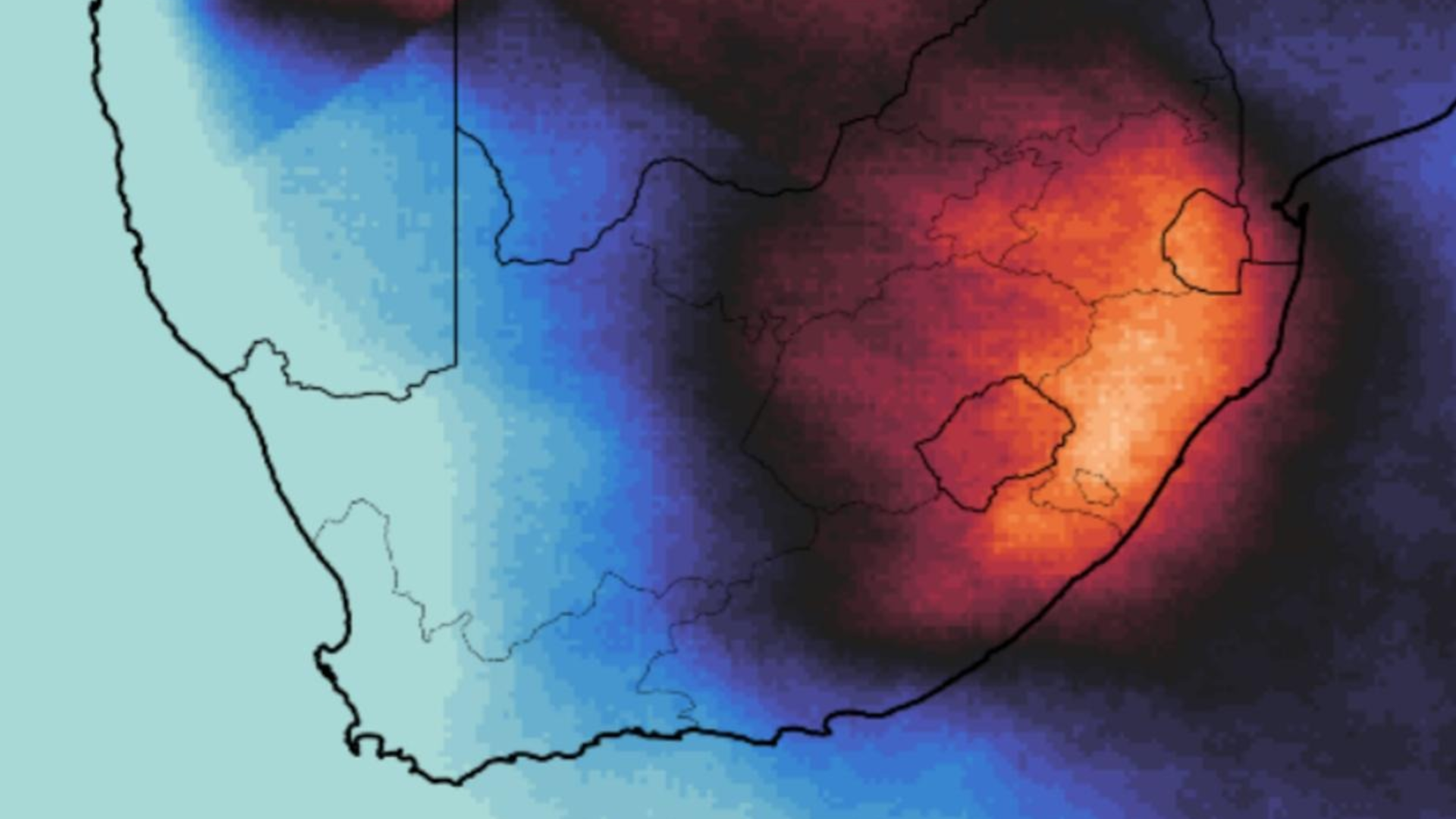
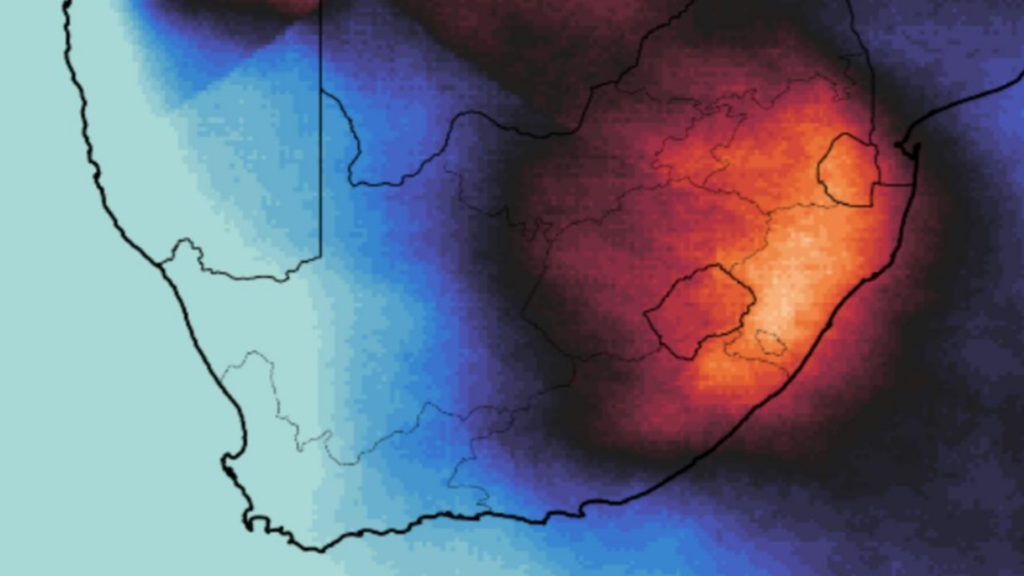
Mesoscale convective systems (MCSs) are large, long-lived thunderstorms that produce much of the rainfall in the tropics and subtropics, yet their role in southern African rainfall and lightning has remained poorly quantified. Using a 14-year (2010–2024) satellite-based MCS climatology derived with the PyFLEXTRKR tracking algorithm, we assess the seasonal and spatial contributions of MCSs to austral summer (October–March) rainfall and lightning across subtropical southern Africa. On average, MCSs account for over 30% of summer rainfall and more than 50% of cloud-to-ground lightning across eastern South Africa, eSwatini, southeast Zimbabwe, and southern Mozambique. There is a strong seasonal cycle in both MCS activity and rainfall contribution across southern Africa where these systems are most frequent and contribute the most during the early summer months (November and December). Parts of Zimbabwe and Mozambique, as well as the drier western half of southern Africa (Namibia, Botswana and central South Africa), show a significant relationship between interannual variability in MCS frequency, rainfall and the El Niño-Southern Oscillation. There is a clear sensitivity to calculating the MCS contribution to rainfall and lightning activity based on the criteria used to identify and track the systems. Nevertheless, results here underscore the critical role of MCSs in the southern Africa convective landscape as by being a key producer of both summer lightning and rainfall. With the added importance of this being that southern Africa is not only a water stressed region dependent on these convective storms for rainfall, but a domain with a population highly vulnerable to extreme weather events.