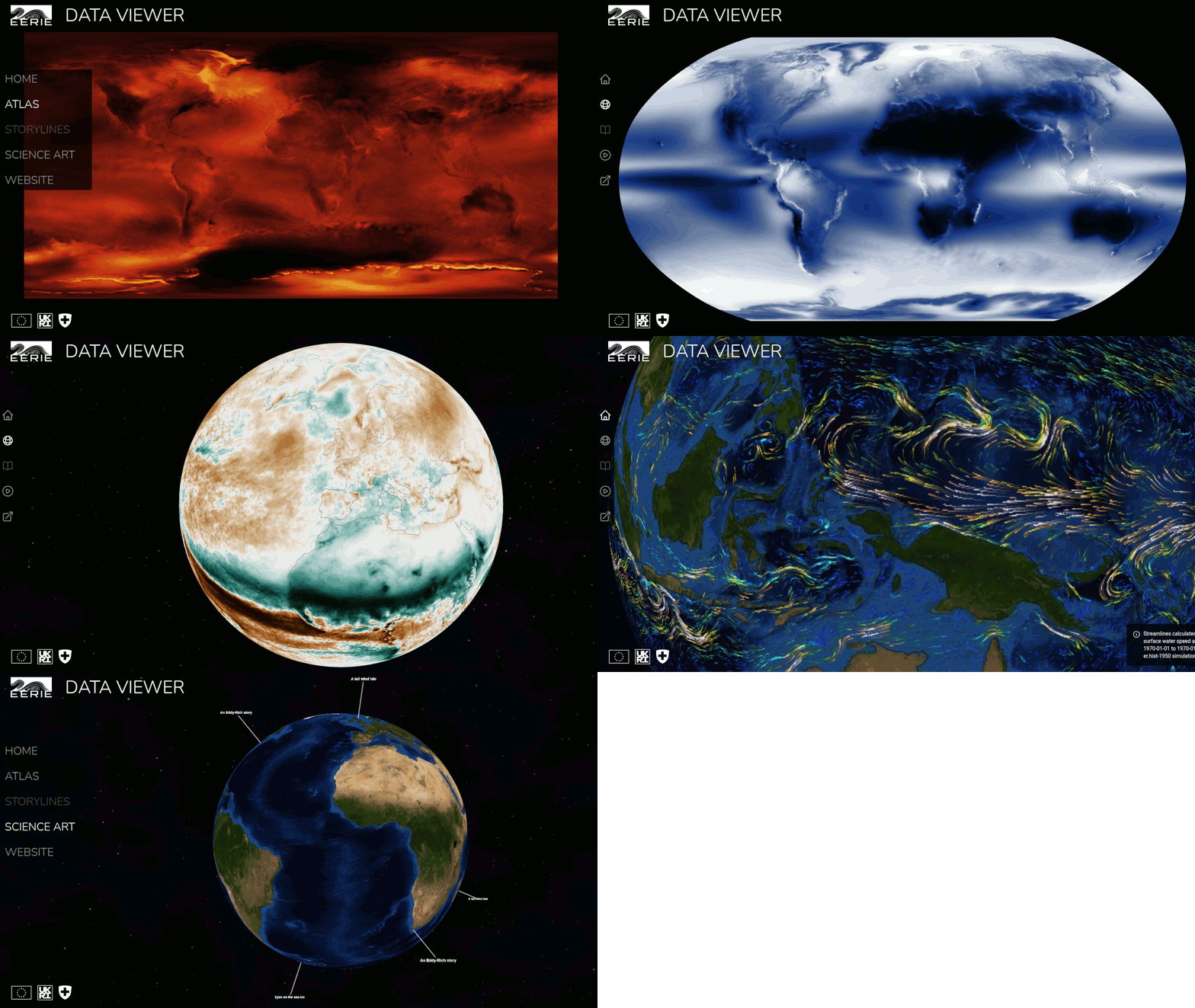
The EERIE Data Viewer v1 is out!
The first version of the EERIE Data Viewer has been released today. You can explore it by clicking here or on the Data Viewer tab on the top menu of …
The first version of the EERIE Data Viewer has been released today. You can explore it by clicking here or on the Data Viewer tab on the top menu of …
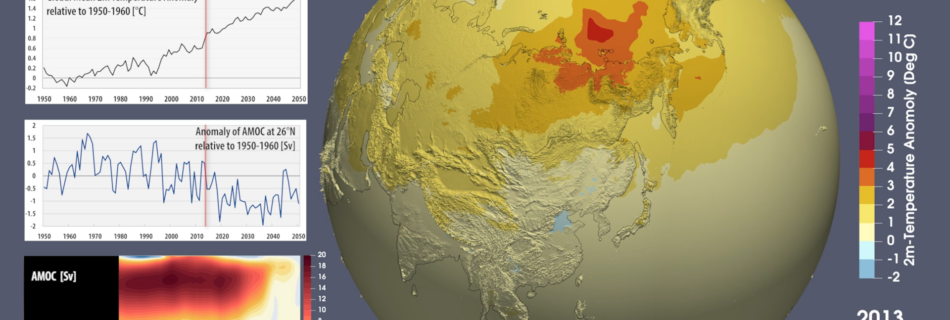
In the past few years, climate modeling has taken a remarkable leap forward, especially with the development of km-scale Earth system models (ESMs). These models operate at spatial resolutions as …
Read more “Taming the Petabytes: Making km-scale climate data usable”
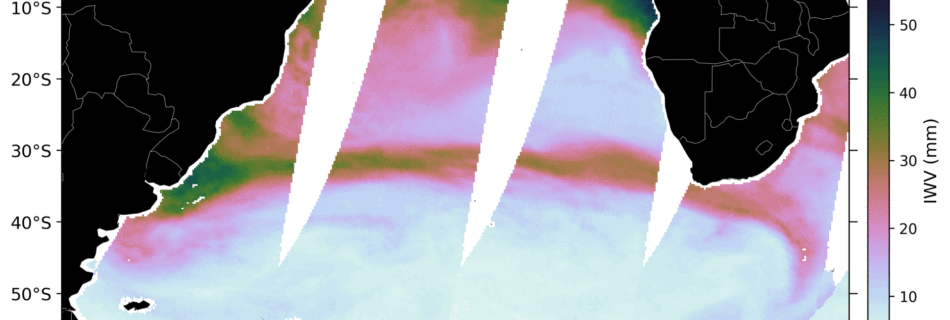
Imagine a river, not on the ground, but rather flowing above us… Yes, above us in the atmosphere. These ‘rivers’ in the sky are what scientists’ term Atmospheric Rivers (ARs). …
Read more “Rivers in the sky: tracking atmospheric rivers in a modelled world”
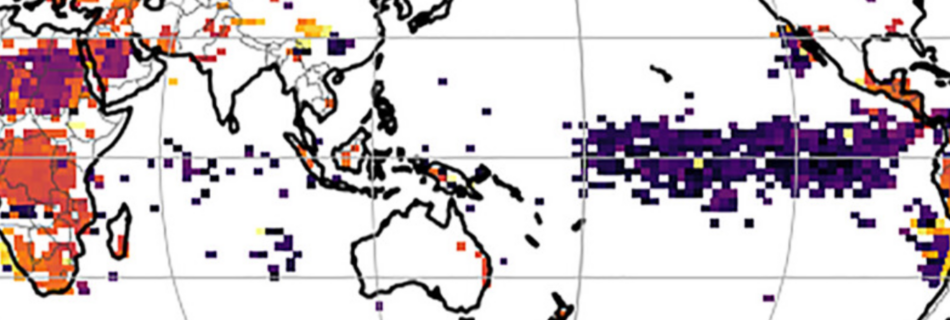
Understanding the complex interplay of atmospheric processes is one of the biggest challenges in climate science. A new study, led by EERIE project researcher Gunnar Behrens, brings forward promising advances …
The European Geosciences Union’s General Assembly 2025 will feature an extensive participation by EERIE project researchers. For you not to miss a thing, we’ve put together all the sessions in …
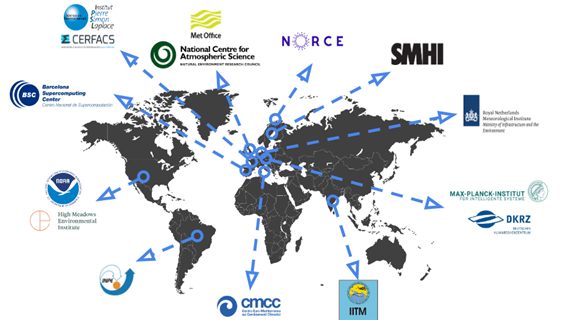
The Coupled Model Intercomparison Project (CMIP) has been pivotal in advancing our understanding of the Earth’s climate, enabling multi-model studies to simulate past, present, and future climate conditions. However, the …

Last month, the EERIE project turned two, reaching the halfway mark – a milestone important enough to gather the whole team and analyse what’s been done and what’s left to …
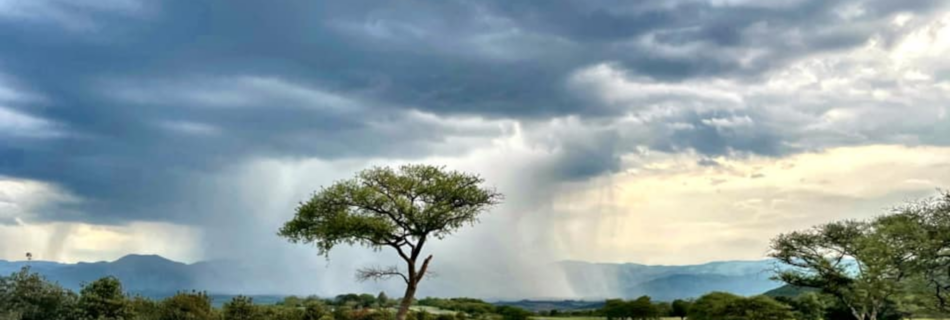
Convective storms – they can be extreme, sudden, and at times, unpredictable, leaving a path of destruction behind. The flashes of lightning, pelting hail, strong winds, even tornadoes and flash …
Read more “A stormy future: Understanding large convective storms in a modelled world”
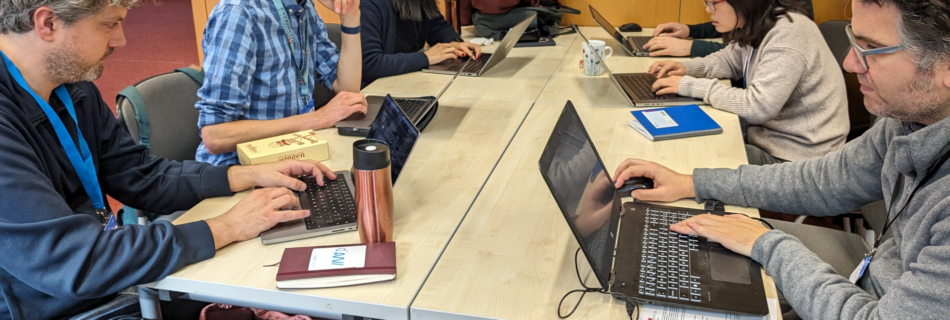
It was different in a good way – the 2024 nextGEMS+WarmWorld+EERIE Hamburg Hackathon was better than what I had seen before. A very good thing about these projects, such as …
Read more “Hamburg Hackathon… from a Data Viewer perspective”
Mesoscale eddies are wiggling features traveling the ocean. They can vary from 10 km in polar areas to 100 km elsewhere. Interestingly enough there are many possible ways to follow …