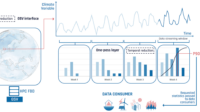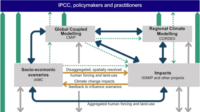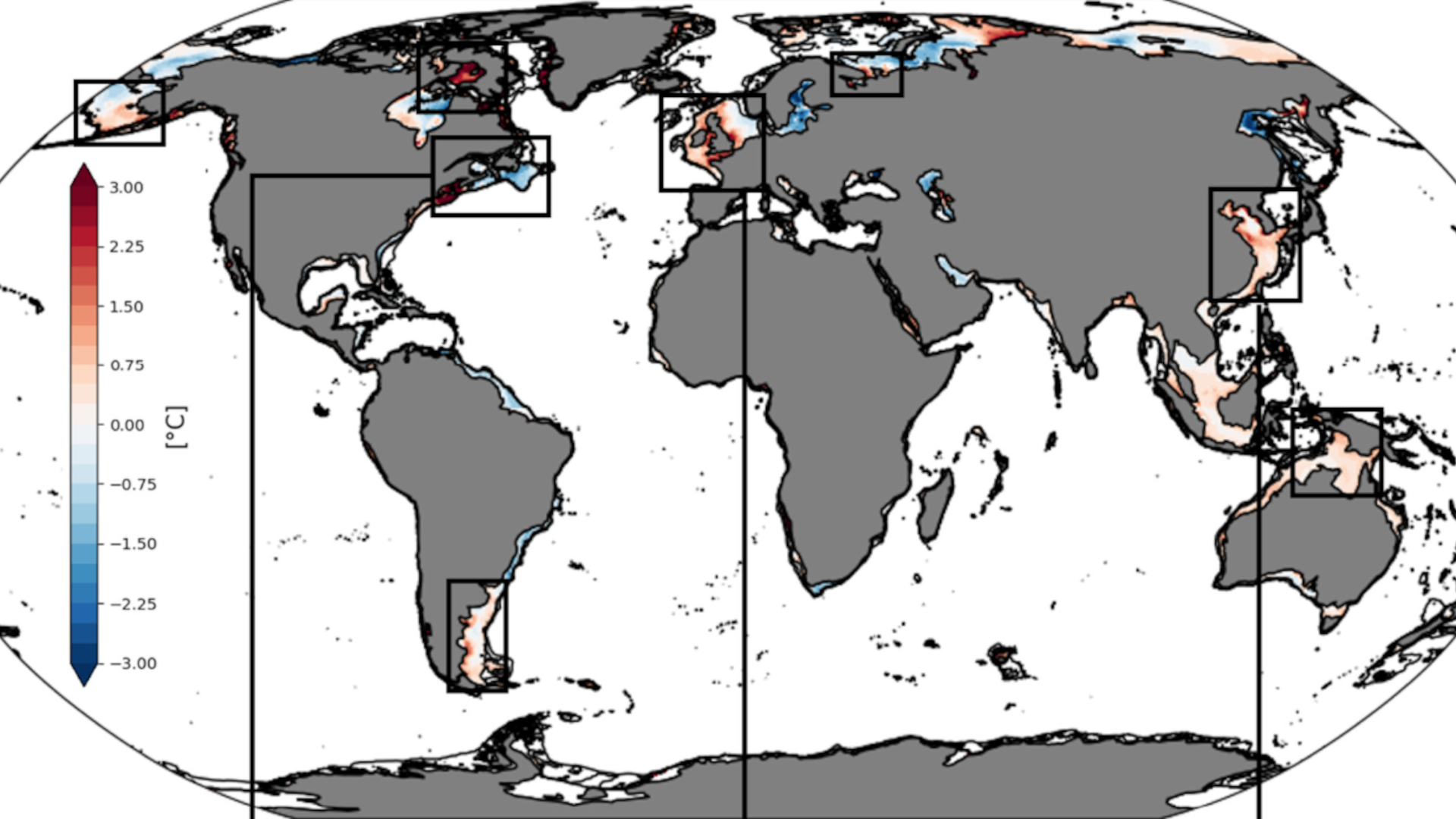
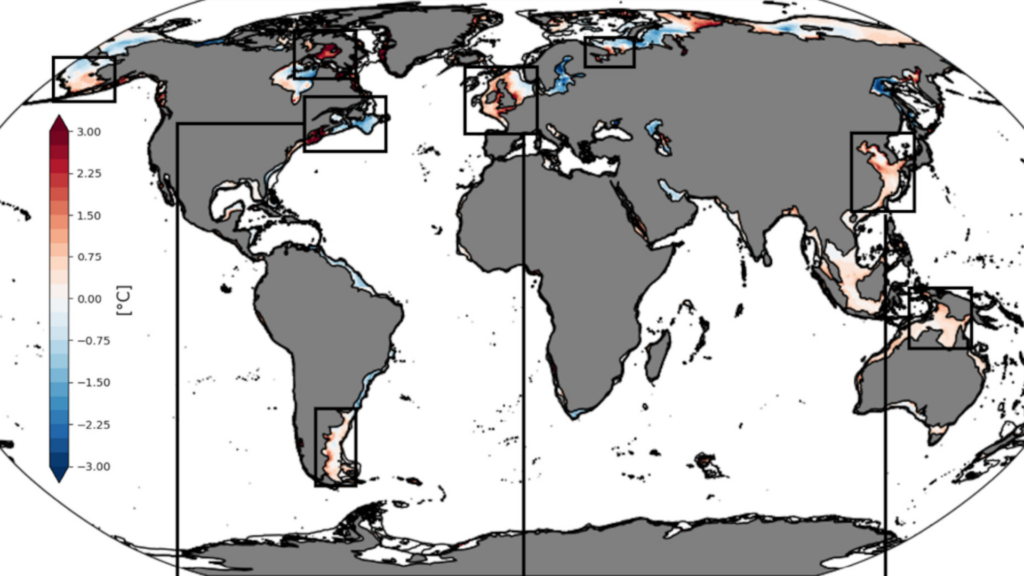
Recent advances in numerical modeling have enabled km-scale climate simulations, improving global climate representation and local-scale projections, critical to climate adaptation strategies. In this context, the present study assesses the performance of such models over coastal shelf seas—key climate-sensitive regions—in their ability to represent the sea surface temperature (SST) and air temperature. Compared to satellite and reanalysis data, the models exhibit systematic warm biases (3°C in SST, 1.5°C in air temperature) in summer across several shelf seas: the European shelf, the Gulf of Maine, the Yellow sea, the Arctic and Patagonian shelves. These biases strongly correlate with tidal mixing fronts, driven by the dissipation of the barotropic tide and identified by the Simpson-Hunter parameter. These findings suggest that missing tidal mixing is a significant error source on coastal shelves, highlighting the need for improved ocean mixing representations to enhance model accuracy.